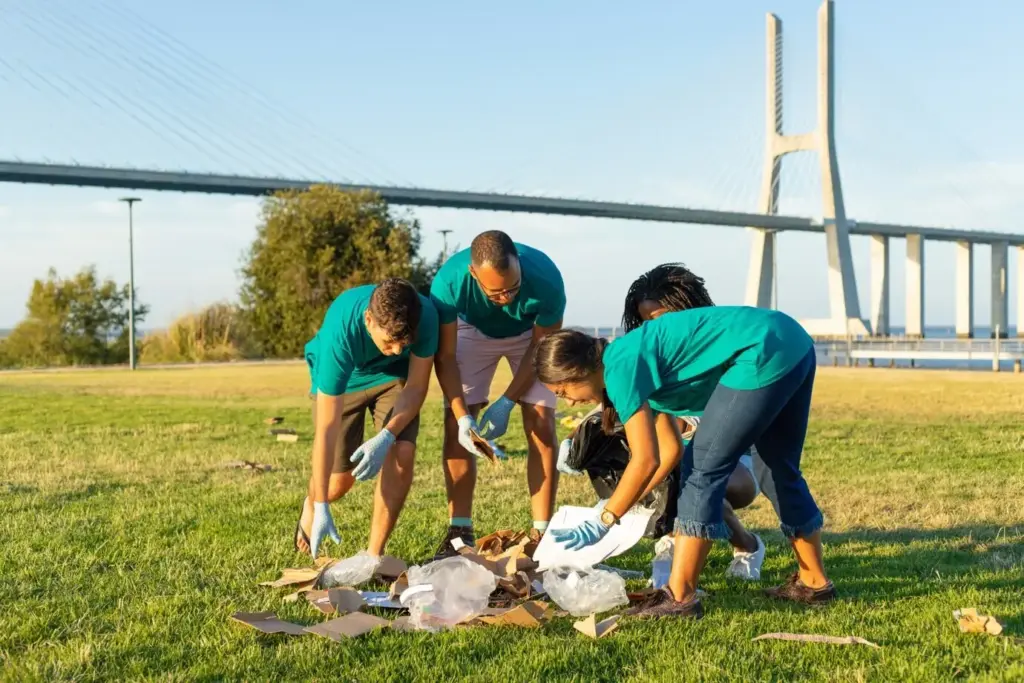
Turn Weekend Volunteering Into Lasting Adventures

Designing a Weekend That Serves and Delights
01
Choosing the Right Cause for Your Crew
Begin with community needs, not convenience. Match skills, group size, and time constraints to projects that truly benefit residents and align with a nonprofit’s calendar. Ask about lead times, materials, and accessibility. Consider emotional load and physical intensity as you balance tasks. The best fit energizes participants, advances partner goals, and respects neighborhood rhythms, ensuring your presence helps rather than disrupts ongoing efforts.
02
Building an Itinerary That Breathes
Plan a gentle arc: welcome circle, safety briefing, focused service blocks, stretch breaks, and unhurried meals featuring local spots when possible. Include time buffers for delays, supply runs, or weather shifts. Add short reflective check-ins that celebrate small wins and recalibrate roles if needed. Wrap each day with light community connection, gratitude, and preview of tomorrow. A breathing schedule protects energy, accountability, and morale while honoring real-world constraints.
03
Setting Shared Intentions and Roles
Invite everyone to articulate why they are here and what success would feel like on Sunday evening. Assign roles that create stability without hierarchy: logistics lead, safety buddy, storyteller, wellness check, and community liaison. Establish inclusive norms around consent, tools, photos, and feedback. When expectations are explicit and kindness is practiced, people step forward confidently, resolve frictions quickly, and experience the weekend as collaborative, coherent, and genuinely caring.
Partnering with Nonprofits the Right Way
Make It Fun Without Losing the Mission

Logistics That Keep Energy High
Smart Packing and Shared Kits
Meals, Hydration, and Accessibility
Risk, Safety, and Clear Briefings
Storytelling and Impact Tracking

Collect Data That Matters
Ethical Photos and Language

Share Outcomes Creatively
Reflection, Belonging, and Next Steps