





Walk the City Like a Storybook

Set out today on self-guided urban safaris that celebrate public art, street murals, and historic landmarks, letting the city narrate its layered stories at your pace. Bring curiosity, comfortable shoes, and a willingness to look twice. You will notice details that daily routines erase—fresh paint drying on a wall, a bronze hand polished by countless greetings, a plaque that finally connects a name to a building. Share your discoveries with us, subscribe for new routes, and tell us which corners surprised you most.

Plan a Route That Rewards Curiosity

Design a loop that balances bold visual moments with quiet pauses, so your senses never feel rushed and your notes stay thoughtful. Start and end near reliable transit, mark rest stops, and anticipate detours triggered by unexpected color or sound. Leave room for serendipity: a courtyard gate left open, an alley you never noticed, a rooftop reflection. Pack water, an extra phone battery, and a light layer, because art and history rarely align with perfect weather.

Decode Murals Without Losing the Magic

Street murals compress neighborhood history, personal identity, protest, and celebration into monumental surfaces. Learn to read signatures, recurring symbols, and references to local sports, folklore, or migration. Notice layering: older wheatpaste ghosts beneath fresh paint, repaired sections after storms, or sanctioned walls curated by community groups. Ask how walls face foot traffic or shield playgrounds. Remember that these images belong to living communities; your curiosity should honor those who maintain, commission, and protect these expressive landmarks every day.

Public Art That Shapes Everyday Life

Beyond museums, public art choreographs movement, creates meeting points, and reframes skylines. A steel curve can redirect walking paths; a fountain can cool tempers on crowded days; a kinetic piece can sync with wind and traffic rhythms. Observe how people lean, sit, and navigate around artworks, forming habits as real as signage. Research commissioning organizations and maintenance teams that keep materials resilient. Appreciating logistics—permits, cranes, conservation—adds respect to admiration, grounding beauty in craft, labor, and collective care.
Some sculptures become practical landmarks—“let’s meet by the bronze horse,” or “under the red arch at four.” Watch how they shape lines for street performers, food trucks, and strollers. Notice patina patterns that record touch, rain, and sun. Compare pedestal choices: high plinths demand reverence; low bases invite closeness. Read material behavior—granite’s quiet endurance, weathering steel’s earthy glow, polished aluminum’s shifting reflections. These forms turn empty plazas into civic rooms where strangers orient, gather, and linger.
Pop-up installations, festival pieces, and student interventions appear briefly, changing familiar corners overnight. Temporary art frees artists to experiment with materials, humor, and scale that permanence might discourage. Follow cultural calendars and open calls to catch them. Ask organizers about reuse or recycling plans. Temporary does not mean trivial; it can spark policy debates or inspire permanent improvements like pedestrianized blocks. Document dates carefully so future visitors understand impermanence is part of the city’s creative metabolism, not a mistake.

Reading the City’s Memory in Stone and Steel

Historic landmarks are more than postcard faces; they are layers of use, repair, and reinterpretation. Look for alterations—blocked windows, added fire escapes, retrofitted ramps—that reveal evolving needs. Compare building materials and construction techniques across eras on a single block. Read inscriptions for founders, funders, and dates, then wonder whose names are absent. Interrogate why some stories were monumentalized while others remained whispers. Responsible wandering connects reverence with curiosity, honoring heritage while acknowledging omissions that demand future telling.

Suggested Loops for Different Moods

Not every day asks for the same pace. Build loops tuned to energy, company, and weather. One route might prize solitude and gentle light; another foregrounds snacks, restrooms, and playful installations; a third embraces neon reflections and music. Think in thirty-to-ninety-minute arcs so you can stack or shorten depending on time. Label turns with memorable cues, not only street names, because “left at the mosaic fish” sticks better. Share your versions, and let others refine them further.

Sunrise Solitude: Quiet Walls and Empty Squares

Start before shops open, when paint colors feel newly awake and pigeons claim plazas. Choose a route with longer sightlines for safe early walking. Bring warm layers and a thermos. Pause to sketch shadow shapes trimming cornices and lettering. Without crowds, you can hear fountains and flag halyards, tiny sounds that change how murals read. Finish near a bakery or café, reward your effort, and jot notes while morning commuters reanimate the streets you just had to yourself.

Family-Friendly Afternoon: Snacks, Play, Stories

Plan frequent breaks and choose murals near playgrounds, pocket parks, or libraries with restrooms. Pack stickers for scavenger hunts—find a red door, a mosaic bird, a spiral stair. Share simple stories about builders and artists, turning plaques into treasure clues. Keep crossings minimal and sidewalks generous for strollers. Reward curiosity with local ice cream or fruit stands. End at a square with benches where kids can draw what they saw, building a memory map everyone helped create together.

After-Dusk Sparkle: Neon, Projections, Jazz

Walk with a friend and keep to lively, well-lit streets where light art, theater marquees, and reflections animate storefront glass. Plan photo stops that capture glow without blinding drivers or disrupting residents. Listen for buskers beneath archways, and let sound guide pauses. Night air clarifies metal edges and reveals how lighting designers sculpt monuments. Check transit schedules ahead and carry a small reflector or clip-on light for visibility. The city becomes a stage, and you share the scene.

Connect, Share, and Support What You Love

Your walk matters more when it strengthens the ecosystems that create and care for public expression. Share routes, but also credit artists, fabricators, historians, and maintenance crews. Subscribe to neighborhood newsletters, attend open studios, and volunteer for mural cleanups or heritage surveys. When you comment on our posts, tell us what worked and what you would change. Together we can map kinder paths, amplify overlooked voices, and keep these streets welcoming for eyes, feet, and stories yet to arrive.

Document Well and Credit Generously

Add artist names, social handles, and project partners to captions, along with materials and year. Tag neighborhoods rather than vague citywide labels to help others find precise corners. If a wall looks fresh, ask before posting close-ups. Avoid sharing sensitive locations like protected habitats or private courtyards without permission. Good documentation turns your gallery into a resource library, making it easier for travelers, teachers, and local kids to trace creators and continue conversations long after paint dries.
Give Back to Neighborhoods

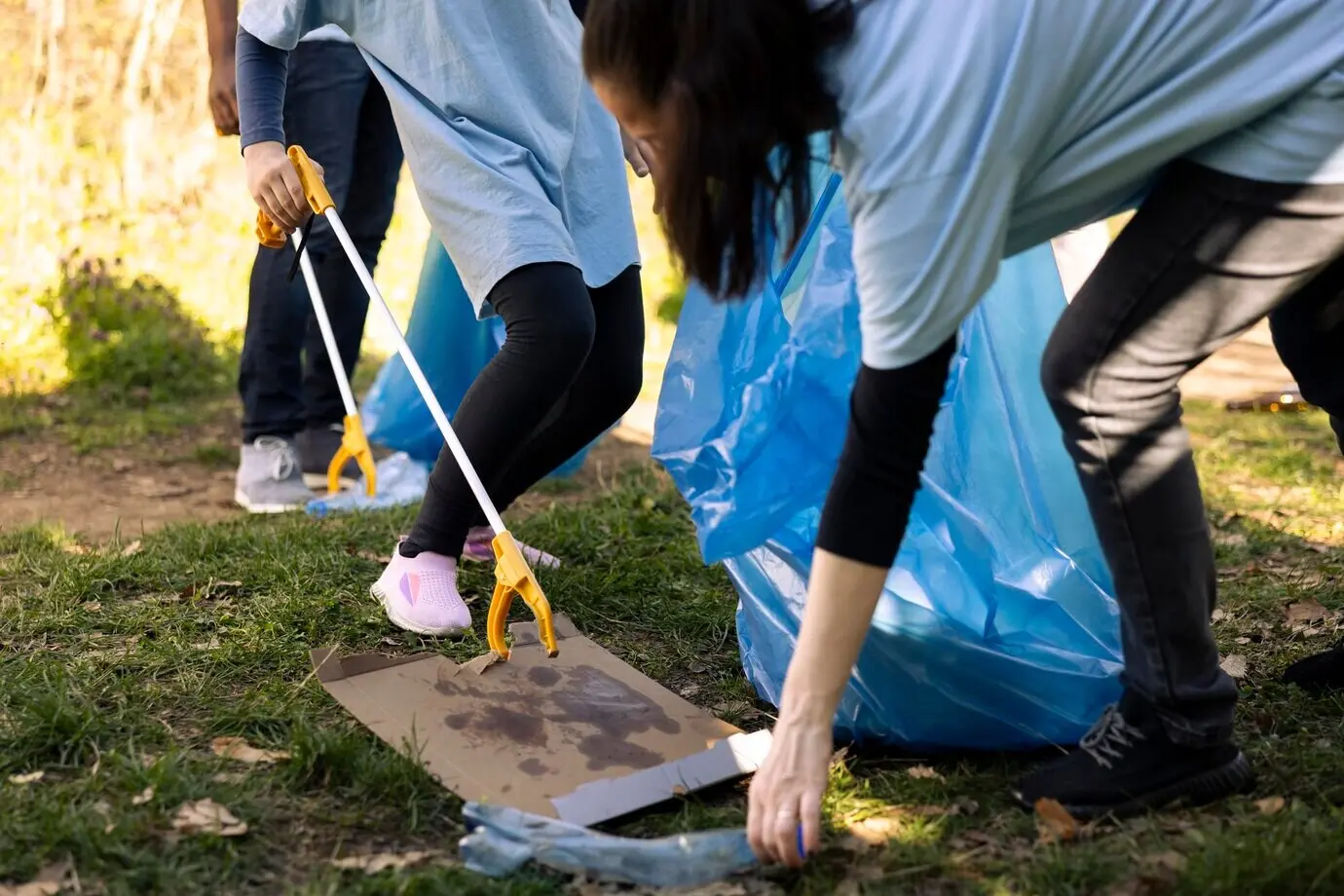
Spend where you explore: coffee carts, bookstores, hardware shops, and family restaurants that anchor blocks between murals and monuments. Donate to community organizations that commission restorations or youth arts programs. Tip guides when you join local walks, and respect group size limits. Pick up litter if you see it. Your presence should feel like appreciation, not extraction. When neighborhoods benefit from visitors, art stays safe, history gets researched, and residents become partners in welcoming future walkers with pride.

Grow a Community of Walkers

Invite friends to contribute routes, photos, and reading lists. Host monthly challenges such as “find five bronze textures” or “trace a single color across a district.” Encourage accessible pacing and clear meeting spots. Celebrate diverse interests—architecture buffs, mural hunters, poetry readers, stroller squads. In comments, ask questions rather than deliver verdicts. The goal is continuous discovery rather than conquest. Subscribe, share your next walk, and tell us where our map should stretch. The city is bigger together.

Moreranopenumikomumilelexu
Privacy Overview

This website uses cookies so that we can provide you with the best user experience possible. Cookie information is stored in your browser and performs functions such as recognising you when you return to our website and helping our team to understand which sections of the website you find most interesting and useful.