Find Hidden Stories with Geocaching and Open‑Source Treasure Hunts
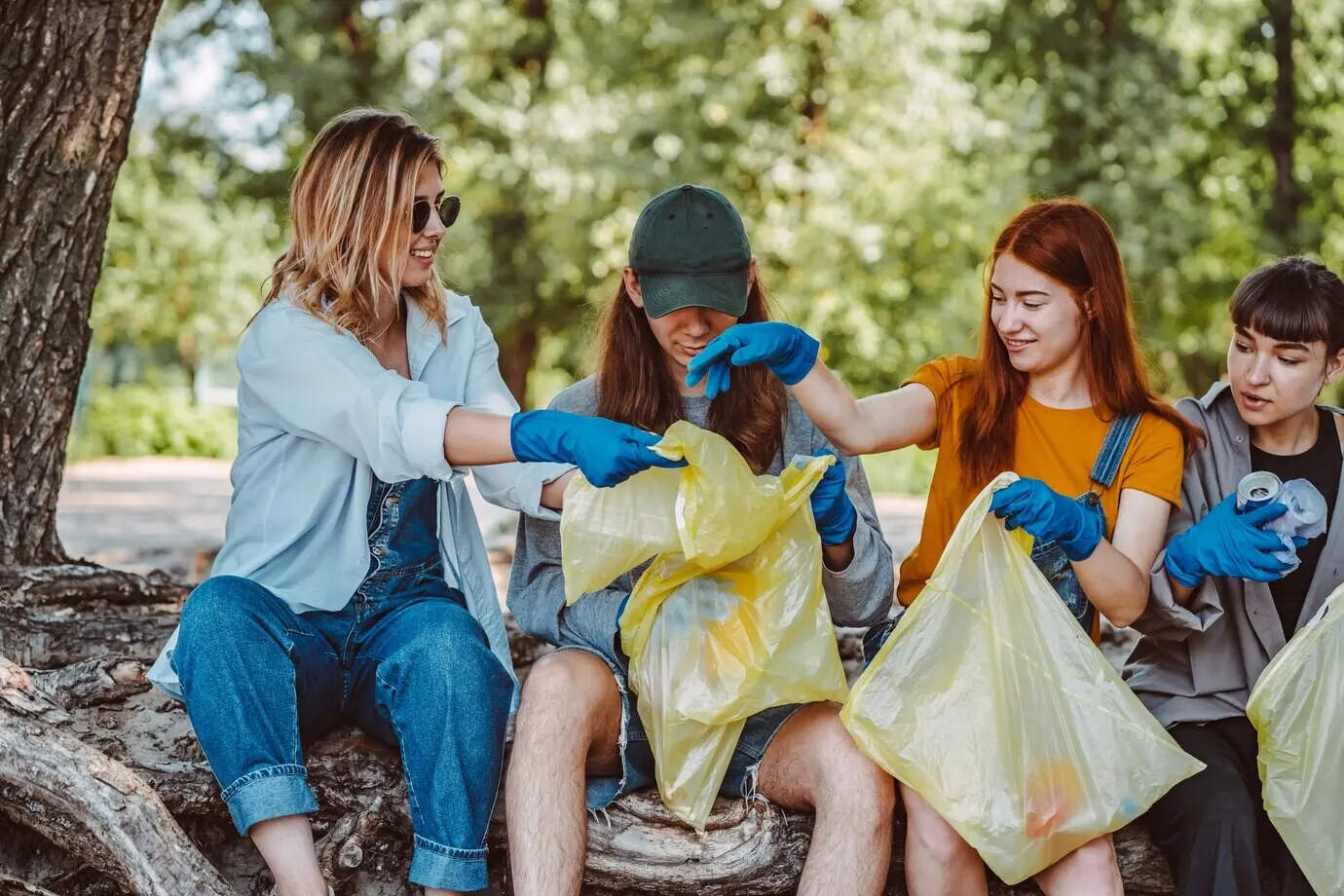

Today we dive into geocaching and open‑source treasure hunts for local discovery, celebrating playful exploration powered by community tools. Expect practical guidance, heartfelt stories, and transparent methods that let anyone map, hide, and share clues. Lace up, charge your phone or GPS, and prepare to see familiar streets transform into a living, collaborative puzzle built by neighbors.

Why the Hunt Matters Now

Small adventures close to home can change how we relate to our streets, parks, and people. Geocaching and open‑source treasure hunts invite curiosity, movement, and mindful attention without expensive gear or long travel. They encourage us to read plaques, notice textures, learn local history, and connect with others through shared logs, playful clues, and volunteer‑maintained routes that keep evolving through community feedback.

Tools and Apps That Empower the Search

A successful hunt blends simple gear with open tools. Phones with offline maps, basic GPS receivers, and community‑maintained datasets form a powerful kit. OpenStreetMap gives precise basemaps, GPX files carry routes, QR codes deliver puzzles, and privacy‑respecting apps minimize tracking. Together, these pieces let anyone participate, remix, and improve hunts without gatekeepers, subscriptions, or opaque data policies standing in the way.

OpenStreetMap and GPX Basics

OpenStreetMap is a living map built by volunteers, perfect for detailing paths, benches, landmarks, and access points. Export a GPX route with clear waypoints and notes, then share it in a repository. This structure keeps hunts reproducible, enables offline navigation, and invites others to fork, translate, or extend your course while preserving the original intent and documented edits.

Choosing a Privacy‑Respecting App

Select tools that store minimal personal data, support offline use, and can read open formats like GPX and GeoJSON. Favor projects with auditable code, clear licenses, and active communities. Consider features like waypoint averaging, compass guidance, and encrypted clue reveals. When participants trust the toolchain, they feel safer exploring, logging finds, and collaborating across neighborhoods and time.

QR, NFC, and Creative Clues

Technology can enrich the narrative without overwhelming it. Use QR codes sealed in weatherproof sleeves, NFC tags embedded in DIY markers, or short URLs printed on stickers. Pair each with a story fragment, audio hint, or tiny riddle. The goal is delight and resilience: simple to replace, easy to scan, and clear enough that curious passersby aren’t baffled or misled.

Designing Open‑Source Hunts for Your Neighborhood

Building a hunt is part cartography, part storytelling, and part hospitality. Start with walkable routes and clear safety considerations. Write clues that respect local context and embrace multiple solution paths. Publish source files, version your changes, and invite contributors through issues and pull requests. Transparent licensing ensures others can translate, remix, or adapt while crediting your original work thoughtfully.

Planning Routes With Accessibility in Mind

Consider curb cuts, step‑free alternatives, restroom availability, and good lighting. Indicate surface types, distances, and elevation changes. Offer options for shorter loops and public transit connections. When routes welcome strollers, wheelchairs, and varied energy levels, more neighbors participate. Accessibility notes in your repository help maintainers update guidance as construction, seasons, or city improvements shift real‑world conditions.

Writing Clues People Love

Great clues honor time. They reward careful observation rather than esoteric trivia. Use sensory details, local history, and gentle humor. Offer staged hints that escalate without spoiling the joy. When writers test with diverse participants, discrepancies surface early, and phrasing becomes inclusive, crisp, and kind. The result is a satisfying journey that balances challenge with achievable momentum.

Safety, Ethics, and Respect for Place
Care for communities is as important as clever puzzles. Secure permissions when placing physical markers. Avoid sensitive habitats, private property, and emergency access routes. Practice Leave No Trace, warn participants about seasonal risks, and discourage risky hide styles. Ethical hunts earn trust from neighbors, land stewards, and city staff, making long‑term collaboration and maintenance smoother for everyone involved.

Stories from the Trail

Personal moments bring the practice to life. Short logs about a tough riddle finally solved, a kind stranger pointing the way, or a plaque revealing forgotten history turn coordinates into memory. Stories multiply resilience: they teach, entertain, and inspire new organizers to maintain, fork, and refine routes while honoring the playful, generous spirit that makes discovery contagious.

The Bench With the Brass Sparrow

One chilly morning, a subtle glint near a riverside bench caught our eye. A tiny brass sparrow anchored beneath the armrest hid the QR needed to unlock a poem about migrating birds. That handcrafted detail sparked conversations with passersby, who later added sightings and tips, transforming a single clue into a living, neighborly notebook of seasonal wonders.

The Library Box Cipher

A little free library hosted a cipher wheel tucked behind gently used novels. Borrowers began exchanging notes, recommending local histories, and leaving replacement pencils. Children learned simple cryptography, adults rediscovered nearby landmarks, and the steward posted gentle instructions on the door. The hunt blended literature, learning, and place, turning a tiny book exchange into a civic classroom.

A Family’s Rainy‑Day Breakthrough

Rain streaked the windows, but the forecast cleared for an hour. A family layered up, followed a shortened loop, and cracked a riddle about a clock tower’s missing numeral. Back home, they logged the find with photos and accessibility notes. Their update improved instructions for others, proving small victories matter most when generously documented and shared.

Mapping, Data, and Community Collaboration

Open hunts thrive on shared maintenance. Logs identify broken tags, route changes, and accessibility gaps. Issues queue repairs, pull requests deliver fixes, and maintainers merge with gratitude. Data improves maps; maps refine clues; clues attract contributors. That virtuous cycle depends on clear standards, respectful discussion, and welcoming documentation that demystifies contributions for beginners without slowing expert momentum.

Turning Logs Into Better Maps

Encourage participants to note missing curb cuts, bench locations, and signage changes. Convert detailed observations into OSM edits where appropriate, and reference commits in route notes. When finds produce map improvements, everyone benefits: safer routes, richer context, and stronger trust. Celebrate contributors publicly so the quiet cartographic labor behind each joyful discovery feels seen and appreciated.

Maintaining Caches the Open Way

Track each physical marker in a simple inventory with dates, materials, and condition photos. Link items to issues when repairs are needed, and tag tasks as beginner‑friendly. Clear documentation shortens response time and distributes responsibility. As volunteers rotate, the record persists, preventing duplicate effort and ensuring the hunt’s character remains intact while evolving through thoughtful community care.

Hosting a Neighborhood Jam

Periodic gatherings accelerate collaboration. Invite participants to test new clues, workshop inclusive language, and learn quick OSM editing. Provide snack‑sized tasks, printed maps, and a welcoming code of conduct. People leave with confidence, assignments, and new friendships. The result is momentum that outlasts the event, turning a weekend jam into six months of constructive, joyful maintenance.

Get Involved: Challenges, Logs, and Shared Discoveries

Your contributions keep this living puzzle vibrant. Try a weekend challenge, document your route with photos and accessibility insights, and help refine clues that need a nudge. Subscribe for new drops, comment with respectful suggestions, and propose forks tailored to schools, seniors, or festivals. Collaboration multiplies fun while preserving transparency, safety, and kindness for everyone who follows.
Moreranopenumikomumilelexu
Privacy Overview

This website uses cookies so that we can provide you with the best user experience possible. Cookie information is stored in your browser and performs functions such as recognising you when you return to our website and helping our team to understand which sections of the website you find most interesting and useful.