Turn Weekend Volunteering Into Lasting Adventures
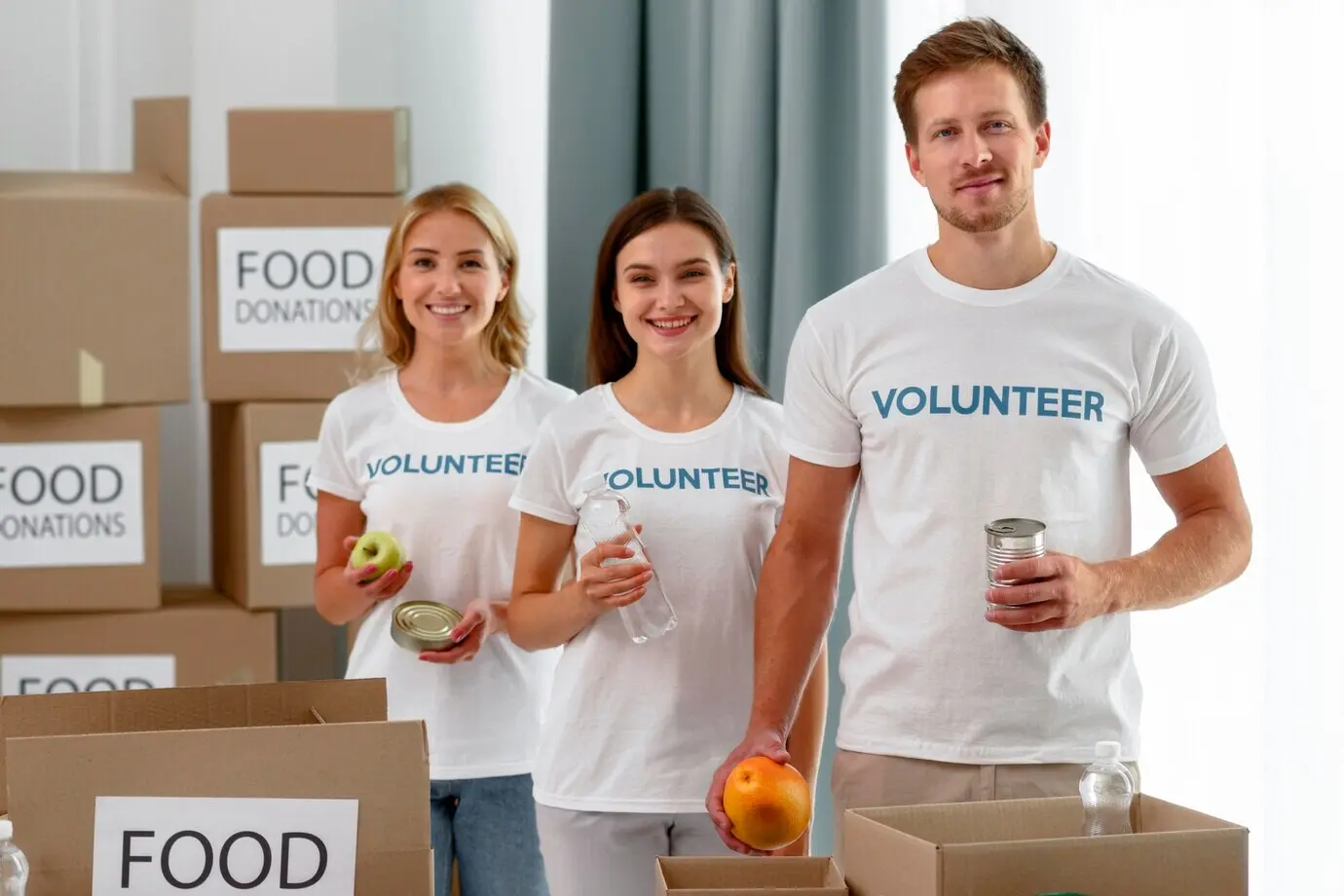
Dive into Volunteer-for-Fun Weekends: Turn Service Projects into Memorable Experiences, where two days blend hands-on contribution, lively camaraderie, and thoughtful reflection. Discover approachable planning frameworks, real stories from community partners, and energizing rituals that keep spirits high while outcomes stay respectful and real. Share your ideas, invite a friend, and subscribe to keep inspiration flowing as we build weekends people remember for what they gave, learned, celebrated, and carried forward.

Designing a Weekend That Serves and Delights

A well-shaped weekend balances meaningful labor, rest, and joy, aligning your group’s talents with a partner’s priorities while leaving space for connection and discovery. Start by clarifying purpose, then weave service sprints with reflection, playful micro-moments, and local culture. The goal is steady momentum without burnout, clear roles without rigidity, and a welcoming vibe where new volunteers feel confident, safe, and excited to return for more.

01

Choosing the Right Cause for Your Crew

Begin with community needs, not convenience. Match skills, group size, and time constraints to projects that truly benefit residents and align with a nonprofit’s calendar. Ask about lead times, materials, and accessibility. Consider emotional load and physical intensity as you balance tasks. The best fit energizes participants, advances partner goals, and respects neighborhood rhythms, ensuring your presence helps rather than disrupts ongoing efforts.

02

Building an Itinerary That Breathes

Plan a gentle arc: welcome circle, safety briefing, focused service blocks, stretch breaks, and unhurried meals featuring local spots when possible. Include time buffers for delays, supply runs, or weather shifts. Add short reflective check-ins that celebrate small wins and recalibrate roles if needed. Wrap each day with light community connection, gratitude, and preview of tomorrow. A breathing schedule protects energy, accountability, and morale while honoring real-world constraints.

03

Setting Shared Intentions and Roles

Invite everyone to articulate why they are here and what success would feel like on Sunday evening. Assign roles that create stability without hierarchy: logistics lead, safety buddy, storyteller, wellness check, and community liaison. Establish inclusive norms around consent, tools, photos, and feedback. When expectations are explicit and kindness is practiced, people step forward confidently, resolve frictions quickly, and experience the weekend as collaborative, coherent, and genuinely caring.

Partnering with Nonprofits the Right Way
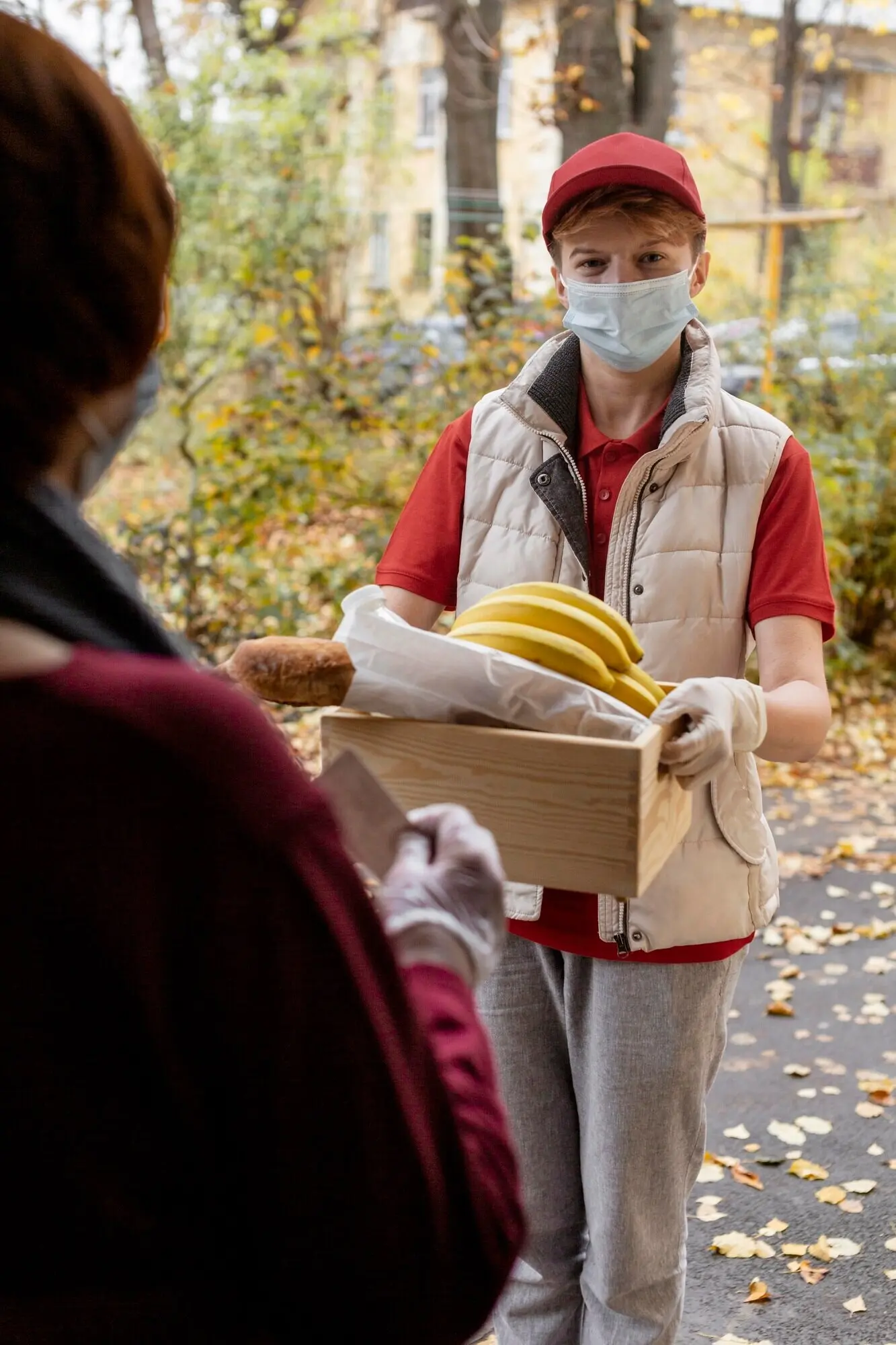
Sustainable weekends grow from strong partnerships built on listening, clarity, and follow-through. Approach staff as experts, ask what would be most helpful, and co-create a scope that fits timelines and risk profiles. Confirm supplies, site access, supervision, and cleanup plans. Offer flexibility while protecting volunteer safety and dignity for community members. Close the loop afterward with results, gratitude, and feedback so trust deepens and future collaborations feel natural.

Make It Fun Without Losing the Mission
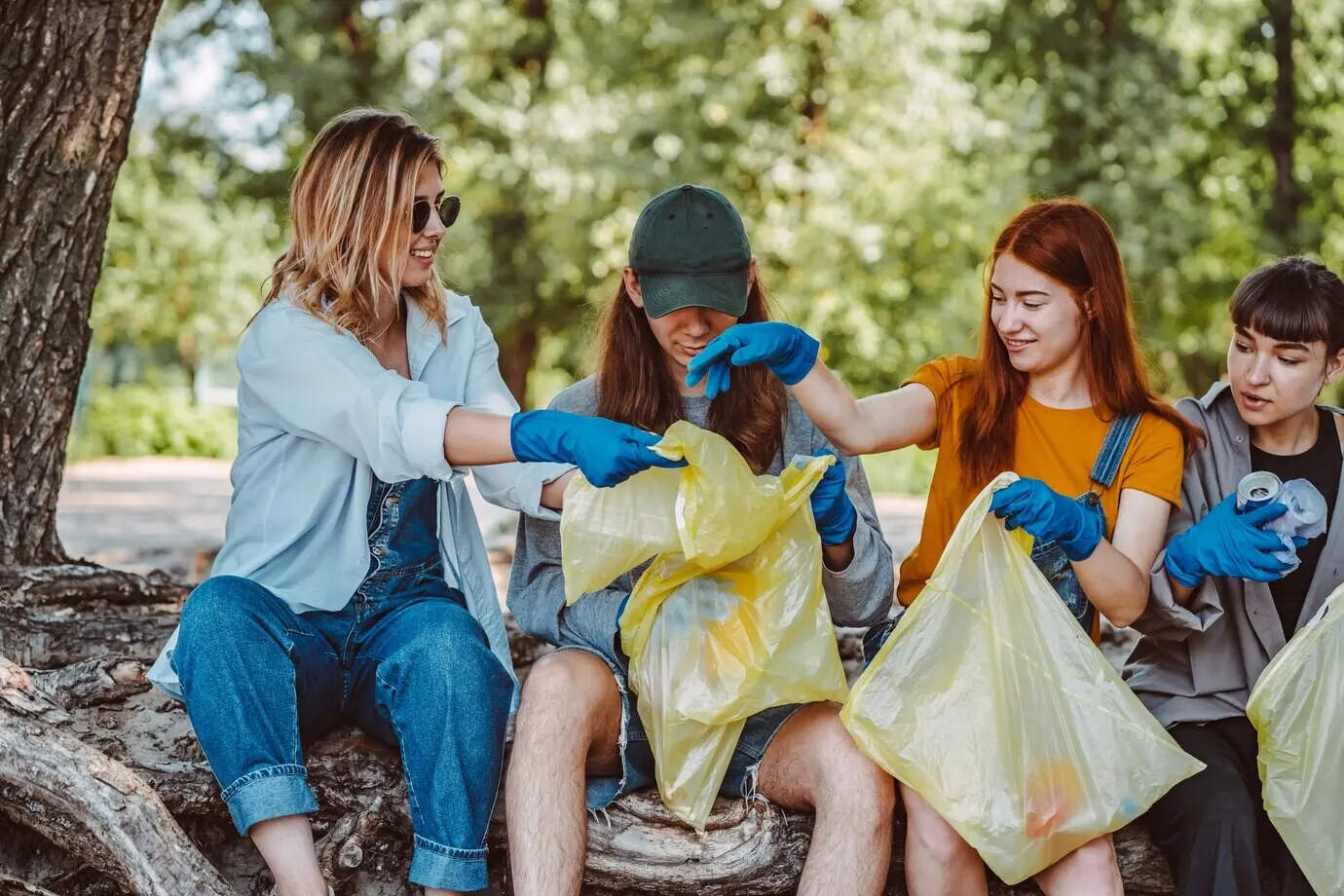
Joy attracts people, but integrity keeps them. Blend energizers, music, and friendly challenges with a strong respect for community context and partner guidelines. Frame fun as fuel for patience, safety, and quality rather than a spectacle. Choose activities that uplift volunteers while centering residents’ dignity and goals. When celebration honors purpose, morale rises, learning sticks, and the weekend becomes memorable for all the right reasons and stories.

Logistics That Keep Energy High

Great intentions falter without sturdy logistics. Confirm transportation, parking, tools, protective gear, restrooms, and shade. Prepare labeled kits, backup batteries, first aid, and weather contingencies. Build inclusive accessibility into everything: routes, communication, and tasks. Plan meals and hydration so no one runs on fumes. Clear wayfinding, check-in rituals, and safety briefings create calm momentum where volunteers can focus on service, connection, and sustainable pace.

Smart Packing and Shared Kits

Bundle supplies into color-coded bins: cleaning, painting, gardening, and comfort. Include multiple glove sizes, sunscreen, bug spray, duct tape, zip ties, battery packs, and a compact toolkit. Label everything so returns are simple. Keep a small repair station for wobbly tools. Shared kits reduce downtime, empower quick pivots, and help new volunteers feel prepared the moment they step on-site, minimizing confusion and lost time.

Meals, Hydration, and Accessibility

Ask about dietary needs and plan balanced, frequent snacks rather than one heavy lunch. Set up hydration stations with electrolyte options and reusable cups. Map shade, seating, and quiet spaces. Confirm accessible routes, ramps, and restrooms. Offer clear signage with icons and large print. Respect prayer times and cultural customs. When bodies and access needs are honored, energy stays steady, and everyone can contribute confidently and comfortably.

Risk, Safety, and Clear Briefings

Begin with a site walkthrough highlighting hazards, tool protocols, and consent boundaries. Share emergency contacts, nearest clinic, and evacuation routes. Pair new volunteers with experienced buddies. Offer protective gear and enforce usage kindly. Establish a check-in cadence and a red-flag word to pause work immediately. Clear briefings reduce accidents, calm nerves, and build trust so people feel protected while doing their best, careful work together.

Storytelling and Impact Tracking

Collect Data That Matters
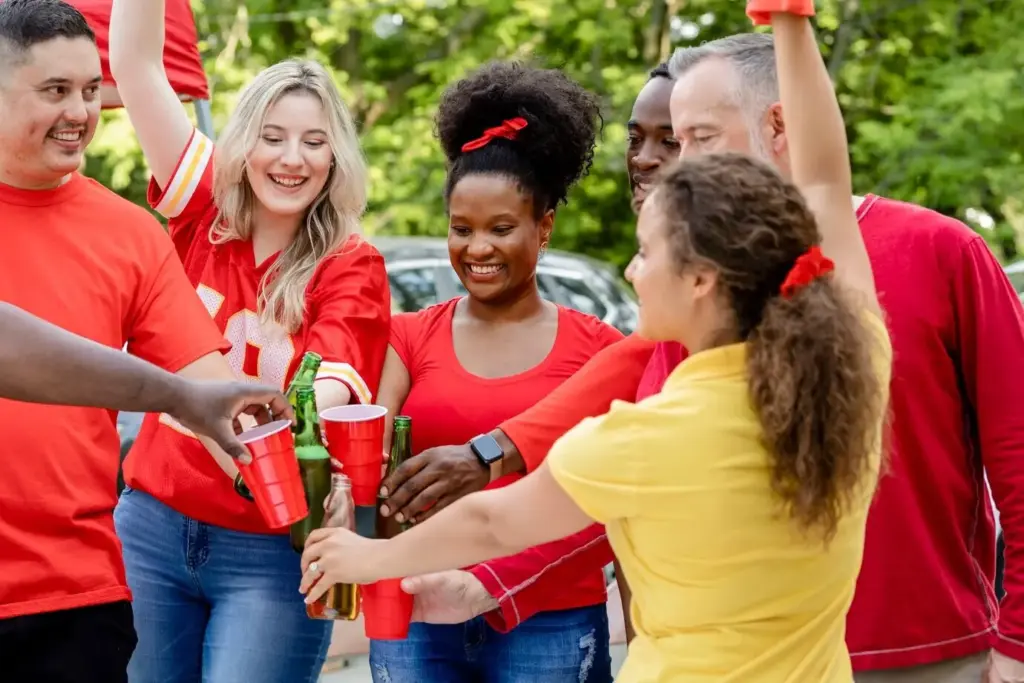
Track before-and-after photos of spaces, volunteer hours, tasks completed, and maintenance plans. Invite community feedback through short quotes or stickers on a feelings board. Log costs saved or capacity restored for staff. Keep it lightweight so people stay present. Useful metrics help partners report to funders and volunteers see tangible progress while keeping attention on relationships, not just numbers.

Ethical Photos and Language

Ask permission clearly, offer opt-out stickers, and avoid framing people as problems to be solved. Focus visuals on collaboration, textures, tools, and transformation. Write captions that humanize partners, note cultural context, and include alt text. Credit photographers and organizations. Ethical storytelling honors dignity, builds trust with audiences, and models communication practices volunteers can carry into future projects and workplaces.

Share Outcomes Creatively

Publish a short recap mixing metrics, quotes, and moments of learning. Try a two-minute reel, a single-page infographic, or a micro-podcast recorded on-site. Link to the partner’s wishlist and upcoming opportunities. Invite comments, questions, and sign-ups for the next weekend. Creative sharing turns a finished project into a growing circle of participation, learning, and practical support for the community.

Reflection, Belonging, and Next Steps
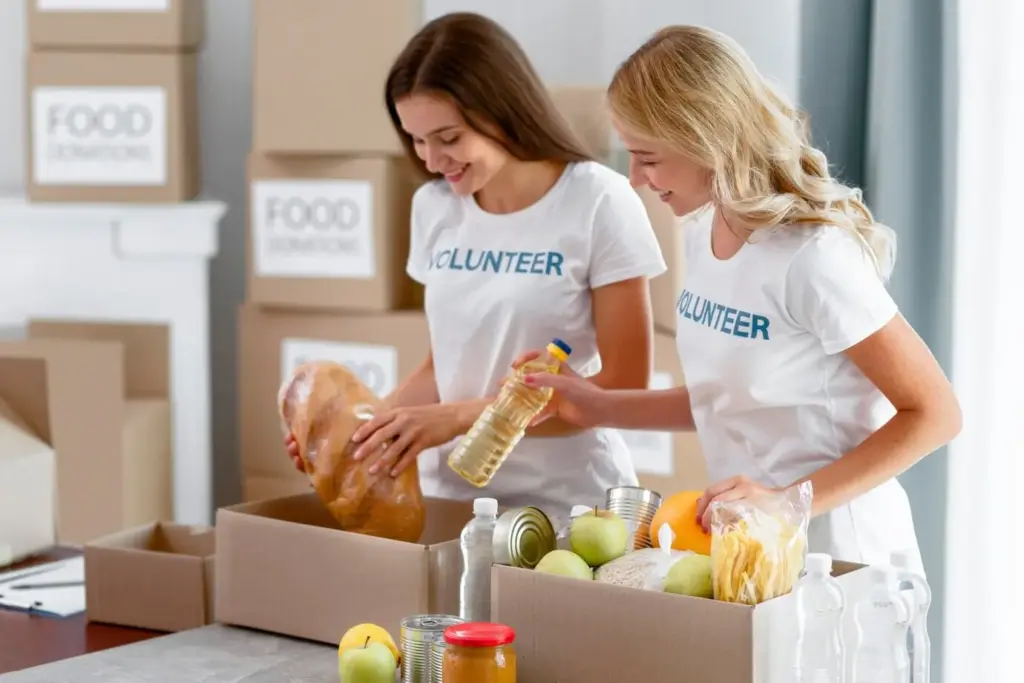
The weekend resonates longer when people reflect, feel included, and know how to continue. Use gentle prompts that connect work to personal values and community outcomes. Make space for quiet voices, celebrate first-timers, and normalize differing emotions. Offer clear invitations to return, mentor, or try skill-based volunteering. Belonging anchors motivation, while pathways translate inspiration into habits that sustain neighbors, teams, and partners year-round.
Moreranopenumikomumilelexu
Privacy Overview

This website uses cookies so that we can provide you with the best user experience possible. Cookie information is stored in your browser and performs functions such as recognising you when you return to our website and helping our team to understand which sections of the website you find most interesting and useful.